Liquid Drops vs. Capsules: What Actually Changes?
Liquid supplements are often marketed around convenience and flexible dosing. Whether they actually change how well ingredients work is a separate, more complicated question.
Here's what the format genuinely changes, and what stays the same.
What genuinely changes
Ease of use. For people who dislike swallowing pills or have digestive sensitivities to capsule shells, a liquid format is a genuine practical improvement.
Dosing flexibility. A dropper allows finer adjustment (half a dropper, slightly more or less) than a fixed-size capsule, which some users value.
Onset speed, potentially. Taken under the tongue, some liquid formulas may begin absorbing into the bloodstream slightly faster than a capsule, which must first dissolve in the stomach. This varies by specific ingredient and formulation.
What generally doesn't change
The underlying ingredient research. Most published studies on ingredients like green tea extract or chromium used capsule or tablet forms; the liquid delivery format for a specific consumer product hasn't necessarily been separately tested against the same research benchmarks.
Total ingredient amount. A liquid doesn't add more active ingredient than a capsule delivering the same labeled amount — the format doesn't multiply effectiveness on its own.
What this doesn't mean
It doesn't mean liquid supplements are worse or a marketing gimmick. It means the format itself is primarily a convenience and dosing-flexibility choice, not evidence of superior effectiveness compared to the same ingredients in capsule form.
How this applies here
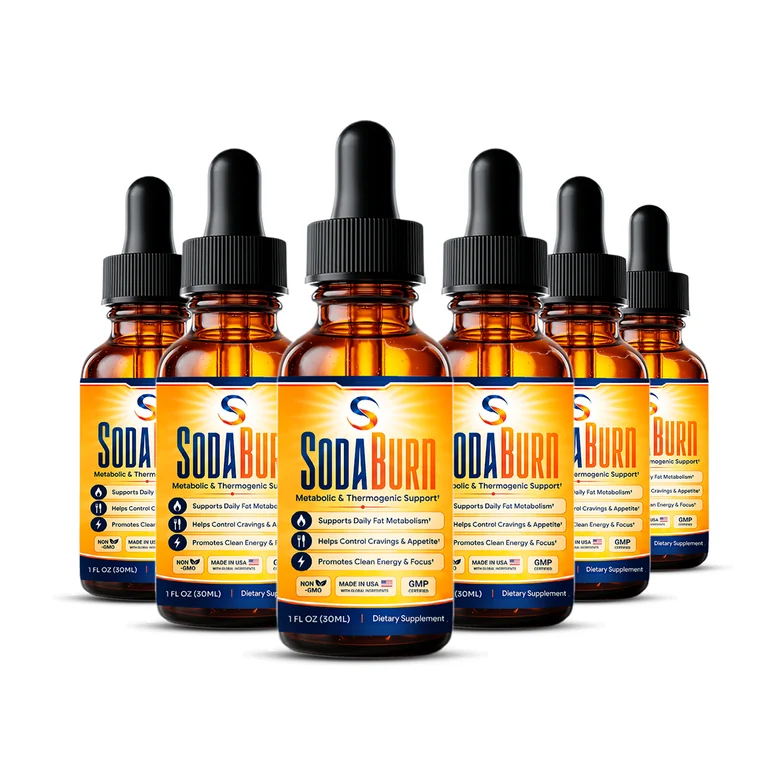
SodaBurn uses a liquid dropper format for ingredients (Chromium, Green Tea, African Mango and others) most commonly studied in capsule or tablet form. The convenience is real; the format itself doesn't change the underlying research base. See our full honest verdict for the complete picture.